

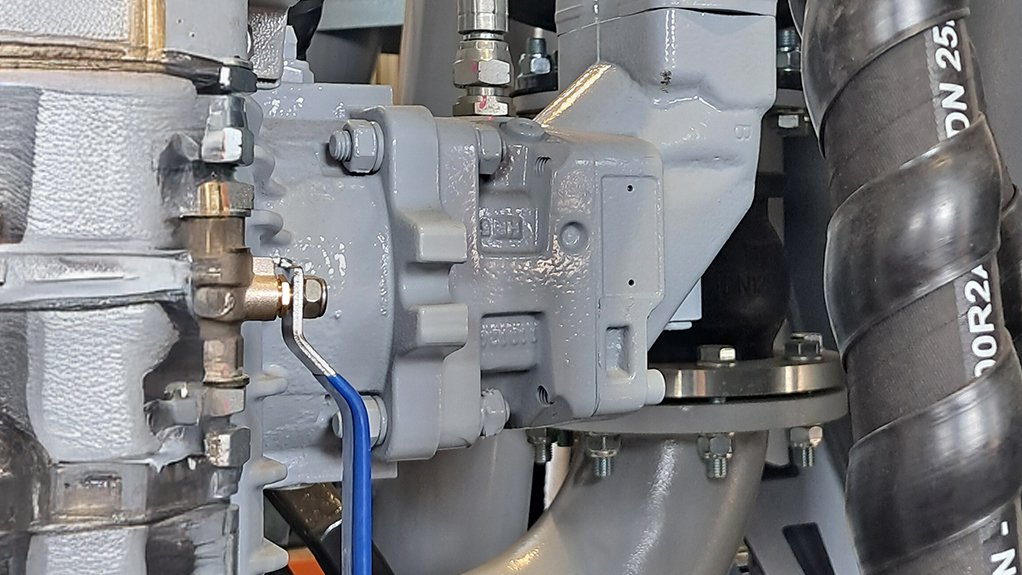
V-belt-driven pumps have traditionally been used in high-pressure jetting trucks, however, hydraulic technology is becoming more widely used and offers numerous benefits, says Werner Pumps MD Sebastian Werner.
“Hydraulic-driven pumps are a more modern solution that offers better reliability, less downtime, fewer repairs and ultimately a lower total cost of ownership (TCOO),” he notes.
Werner explains that V-belt systems are prone to wear and tear. “Belts can slip, stretch, crack, or break entirely, especially under high loads or in the dusty, wet environments that are typical of sewer-cleaning or industrial jetting or vacuuming operations. This not only reduces performance but also increases the risk of unplanned downtime.”
Hydraulic-driven systems, by contrast, offer superior durability, says Werner. “With fewer moving parts exposed to environmental stressors, they’re less vulnerable to the mechanical failures that often plague belt-driven setups. This reliability translates directly to more uptime and greater peace of mind for operators in the field.”
Hydraulic drives also offer more flexibility in equipment design. Hydraulic lines can transmit power over a distance, which means that pump placement is less constrained by the position of the truck’s engine or gearbox. “This makes it easier for us to optimise the layout of components and build more compact, ergonomic truck-mounted units,” says Werner.
Ease of maintenance is another benefit of the hydraulic systems, which typically require only routine checks of fluid levels, filters, and hoses – which means fewer service interruptions and lower lifetime maintenance costs.
“Although hydraulic systems may carry a higher upfront cost, which is what seems to put some customers off, their superior durability, reduced downtime, and lower maintenance needs result in a lower TCOO over time,” affirms Werner.