

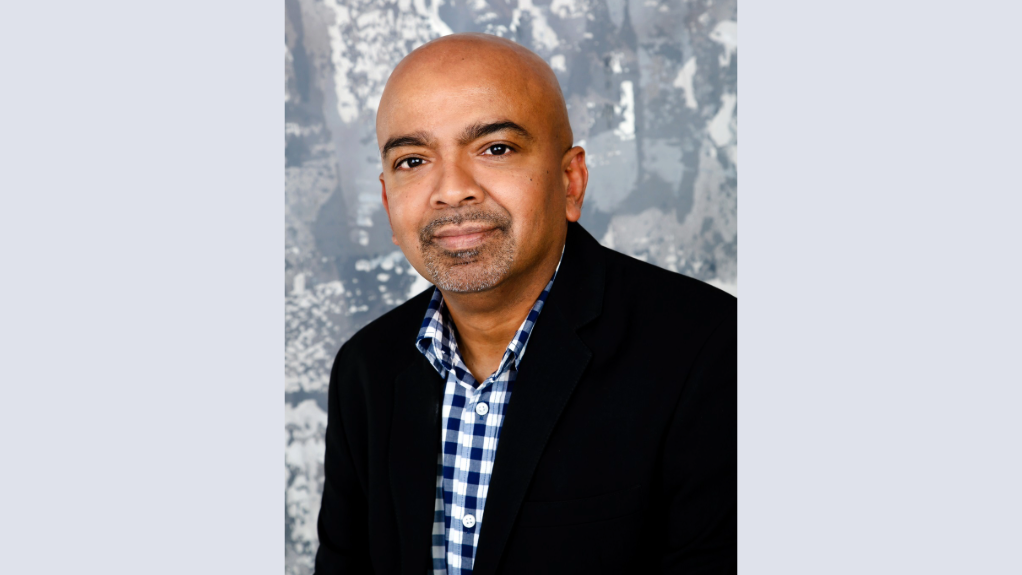

South Africa requires investment to grow infrastructure for all aspects of energy generation, transmission and distribution, ACTOM group CEO Mervyn Naidoo stated in a release last month.
In addition to enhancing the energy, logistics and water sectors, the investment in the country’s infrastructure will be an initiative that drives growth and promotes economic development, said Naidoo.
“Infrastructure projects of this nature rely on specialised equipment, such as towers, transformers, high voltage equipment, switchgear, electric motors, alternators, turbines, and associated products, some of which are imported.
“Additionally, South Africa is currently experiencing a logistics crisis as it is unable to transport the required volumes of commodities to our ports for export. Therefore, as a country, we are missing out on economic opportunities [owing] to the lack of infrastructure, both in the energy and logistics sectors,” he said.
For Naidoo, there is a great need for a “capital injection” to address the various challenges posed by the reliance on the import of skills and technology for infrastructure development.
These challenges include exacerbated poverty and increased reliance on social grants, owing to increased unemployment, local original-equipment manufacturers (OEMs) losing out on business and the loss of skills in engineering and innovation.
There are, however, solutions to these challenges for local infrastructure development and economic growth, Naidoo commented, adding that South Africa can expand its local capacity by collaborating with local and foreign OEMs through technology transfer and localisation to facilitate spares availability and aftermarket support.
Additionally, local OEMs can become empowered through enhanced localisation enabled by investment in upskilling local manufacturers to compete with foreign OEMs.
“Local companies should strive towards process efficiency and product development to ensure that they can make products that can compete against imports,” he added.
Further, he suggested that reducing the dependence on imports and promoting local procurement practices will result in the prioritisation of manufacturers for assembly of machinery and motor vehicles, and for basic equipment components.
“Instead of importing, South Africa should leverage its considerable demand for infrastructure to localise products for infrastructure development. This, in turn, will enable the upskilling of people, the transfer of technology, as well as the evolution of technology, engineering and competence. Ultimately, this will grow our economy and contribute to a better South Africa,” he enthused.