

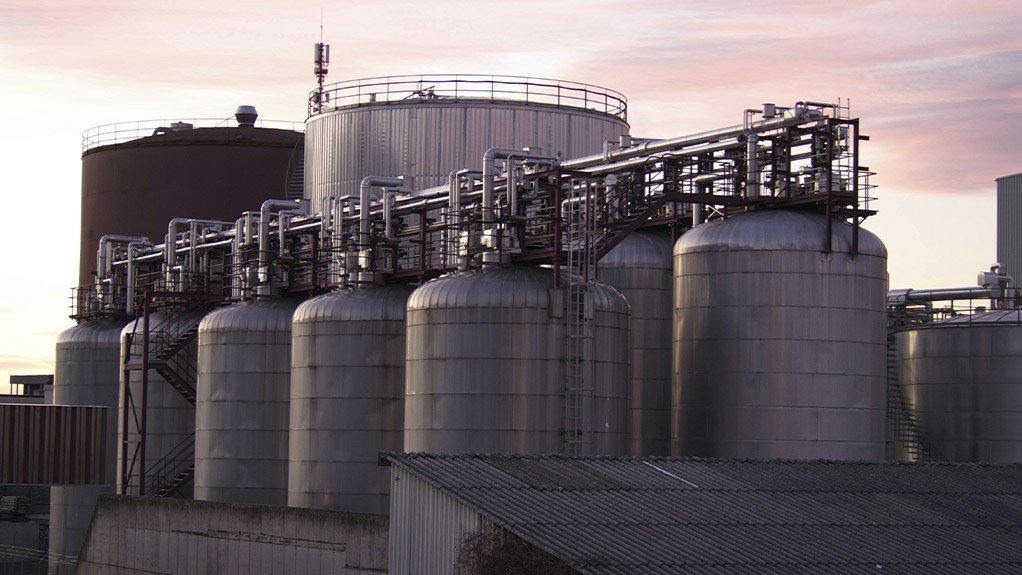
Chemical storage sites require specialised measuring solutions as a result of the wide range of substances stored, which can include corrosive acids, alkalis, volatile hydrocarbons and toxic chemicals. Vega offers a variety of instruments designed to meet these requirements.
VEGAPULS radar sensors, VEGABAR pressure transmitters and VEGASWING vibrating level switches are aimed at delivering precise and reliable measurements even in the most challenging environments.
The VEGAPULS 6X utilises an 80 GHz radar beam to deliver a highly focused signal, which reduces the risk of interference from tank walls or internal fixtures such as mixers and coils. The technology allows for precise detection of liquid surfaces within storage tanks, regardless of their shape or the presence of internal obstructions.
The VEGAFLEX 81 is used for pressure measurement in chemical storage, while the VEGABAR 80 series combines pressure sensors with level measurement systems. Integrating transmitters with radar sensors enables operators to gain real-time insights into tank conditions, helping to improve safety.
The VEGABAR 83 features a ceramic-capacitive sensor technology that enables accurate measurement of gases, vapours, and liquids, even under extreme pressure conditions. Its rugged ceramic cell construction offers resistance to corrosion and abrasion, making it ideal for tanks storing reactive substances like acids and alkalis. The unit is designed for precision and lasting stability, suitable for monitoring both process pressures and hydrostatic levels in demanding chemical environments.
The VEGASWING range uses vibration technology providing alarms for high and low levels in chemical tanks. The VEGASWING 63 functions as a universal level switch for all liquids, including hazardous chemicals, offering accurate detection regardless of installation position.
VEGA explains that its measurement technologies work independently of environmental factors common in chemical storage. Its non-contact solutions decrease wear and exposure which helps to lower maintenance costs and reduce downtime. In addition, sensors and transmitters integrate into process control systems and digital communication options enabling users to monitor levels and pressures remotely.