




(Virtual Showroom) Across sub-Saharan Africa, fossil fuels still dominate electricity production, with coal accounting for over 40 % of generation, while hydropower contributes nearly 29 % and solar and wind are emerging players at 3 % and 2.5 % respectively. VEGA’s range of radar level sensors is designed to meet the demands of both conventional and renewable energy applications, delivering precise, long-term measurement reliability across challenging African operating environments.
Tough Conditions, Zero Compromises
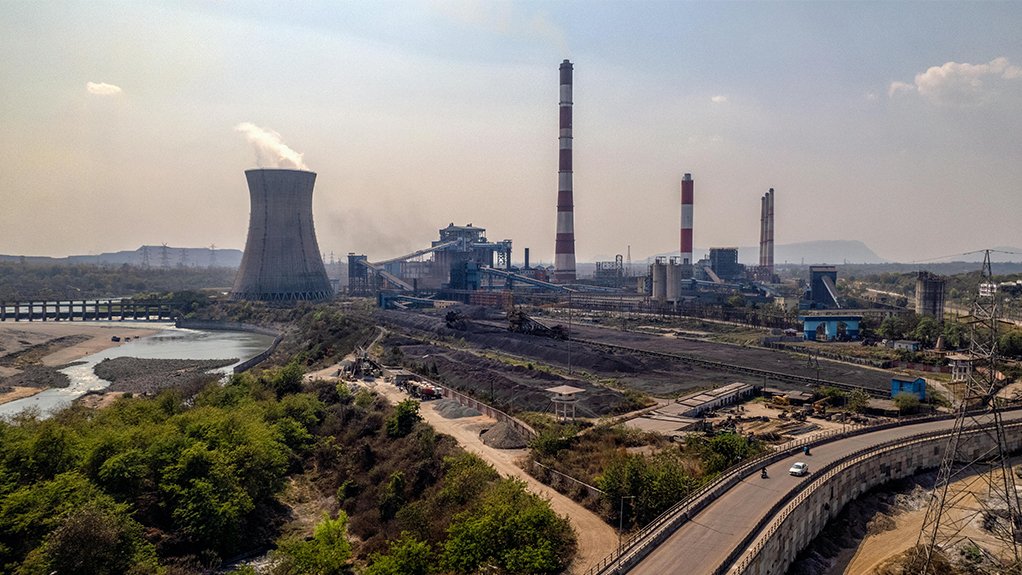
Despite the global transition towards renewables, coal remains a dominant source of electricity in Sub-Saharan Africa, accounting for more than 40 % of total power generation. Reliable stockpile, bunker and silo level measurement is essential to ensure continuous fuel supply and prevent blockages or overfilling.
With dust, high temperatures and rugged environments, conventional level measurement technologies, like floats or ultrasonic systems, struggle.
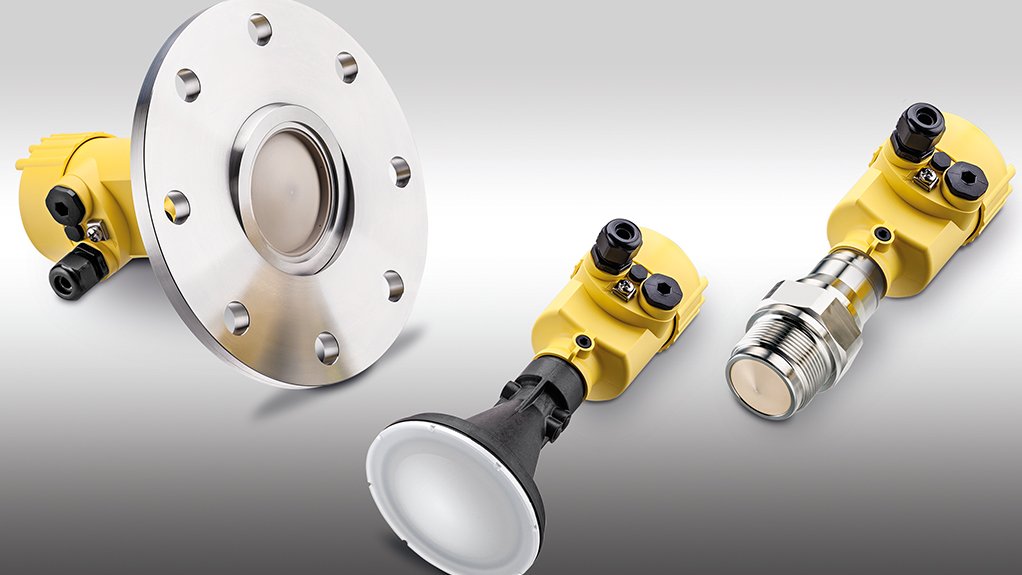
The VEGAPULS 6X radar sensor is particularly well suited to coal handling applications. Its 80 GHz non-contact radar technology enables accurate measurement in high-dust environments where ultrasonic or mechanical systems often fail. Advanced signal processing and a flexible antenna system allow the sensor to deliver stable readings, even with uneven material surfaces and extreme process conditions.
With no moving parts and minimal maintenance requirements, the VEGAPULS 6X helps operators reduce downtime and extend service intervals in demanding coal-handling operations.
Keeping Water Levels in Check
Hydropower continues to play a vital role in the region’s low-carbon electricity supply, contributing close to 30 % of electricity generation in Sub-Saharan Africa. Accurate water level monitoring is essential for safe dam operation, turbine efficiency and flow control.
The VEGAPULS C 21 and VEGAPULS C 31 radar sensors provide continuous, non-contact level measurement for reservoirs, intake structures and open channels. With an accuracy of ±2 mm and IP66/IP68 protection ratings, these compact sensors deliver dependable performance in remote and exposed locations. Their non-contact measuring principle eliminates the risk of fouling, making them ideal for long-term operation in hydropower facilities with minimal maintenance intervention.
Emerging Players, Data-Driven Performance
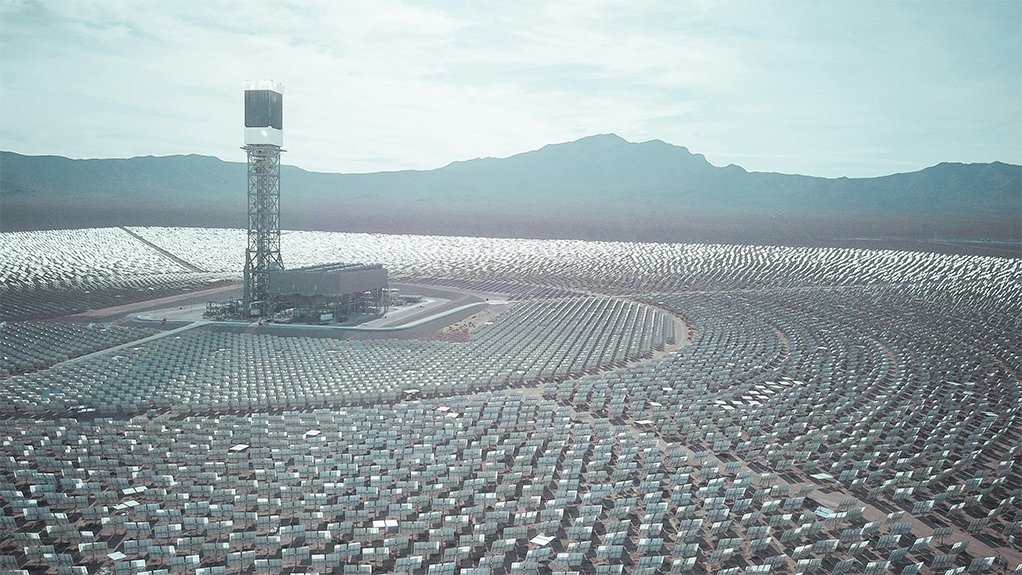
Solar and wind installations are accelerating across the continent. Solar PV capacity in Africa grew from about 1.6 GW in 2014 to over 17 GW in 2023, while wind expanded from 2.4 GW to 10 GW — an increase of 500 % over the last decade.
While these assets don’t have “levels” in the traditional sense, supporting infrastructure does. Fuel storage for backup generators, coolant tanks for thermal installations, water levels for cleaning and maintenance all benefit from precise radar-based measurement. The VEGAPULS C 31 brings affordable, accurate continuous level monitoring to these support systems, with straightforward 3-button setup and clear on-site display.
Preparing for a Future Fuel
Green hydrogen is gaining traction as a long-term clean energy vector. Across Africa, projects targeting wind- and solar-based hydrogen production are emerging, even if commercial capacity is still nascent.
Hydrogen systems demand safety, precision and data fidelity. Radar sensors, like the VEGAPULS 6X featuring SIL-rated safety and cyber-protection standards, are already tailored for demanding environments. Their non-contact operation is perfect for pressurised tanks and volatile media, giving plant operators confidence and process integrity.
Wireless Freedom
Often the biggest challenge in African energy installations, especially at remote sites, is connectivity and power. The VEGAPULS Air 41 tackles both. It combines radar accuracy with NB-IoT, CAT-M1 and LoRa communication, and runs off integrated power. That means autonomous, maintenance-free level monitoring for mobile silos, fuel depots and remote tanks where running cables or power is impractical.
With up to 20 m measurement range and ±2 mm precision, the Air 41 gives operations teams actionable data straight to their dashboard. No site visit required.
Why Radar Matters
Radar level measurement outperforms many conventional technologies because it remains unaffected by challenging conditions such as dust, steam, or foam. It also maintains its accuracy despite fluctuations in temperature and pressure, as well as changes in the properties or dielectric values of the measured medium. By measuring the time-of-flight of microwave pulses, radar sensors deliver highly accurate readings in environments where other systems fail, a core advantage in complex energy applications.
As the energy mix across Sub-Saharan Africa continues to evolve, operators are under increasing pressure to improve efficiency, maintain safety and reduce unplanned downtime. From coal-fired power stations to renewable and emerging energy technologies, accurate level measurement plays a critical role in maintaining stable and reliable operations.
Radar-based level measurement has become the technology of choice across the energy sector, offering non-contact, maintenance-free performance that is unaffected by dust, vapour, temperature fluctuations or changing material properties.
VEGA’s range of radar level sensors is designed to meet the demands of both conventional and renewable energy applications, delivering precise, long-term measurement reliability across challenging African operating environments.